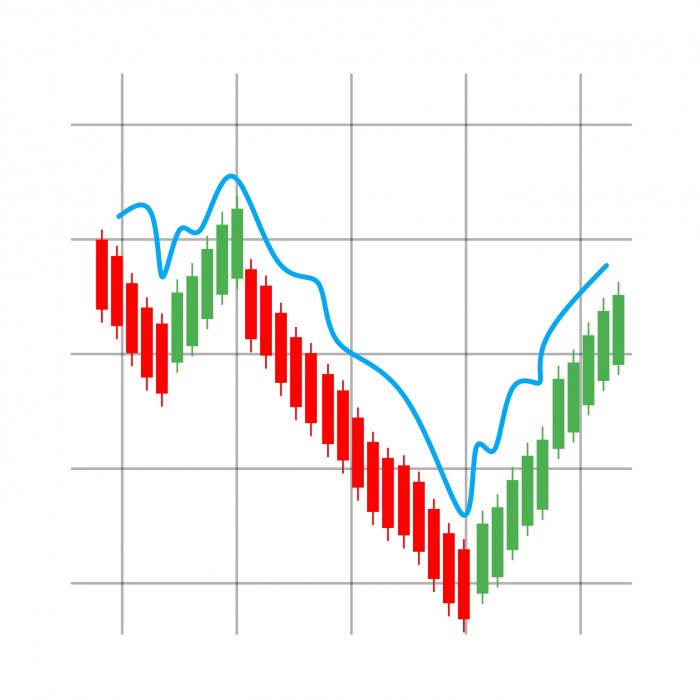
Delving into Stock market trends 2025, we explore the exciting landscape of investment opportunities shaped by innovation and economic shifts. As we look ahead, several emerging sectors are poised to influence market dynamics significantly, while technological advancements promise to transform how we invest and trade.
Understanding these trends is crucial for both seasoned investors and newcomers alike, as key economic indicators will play a pivotal role in guiding financial decisions and portfolio adjustments. The future of the stock market is not just about numbers but also about strategic planning and adaptability to succeed in a rapidly changing environment.
Stock Market Predictions for 2025
As we look ahead to 2025, the stock market landscape is poised for significant transformation. Several emerging sectors are expected to influence market movements, driven largely by technological advancements and shifting economic indicators. Understanding these trends is essential for investors looking to navigate the complexities of the evolving market environment.Technological advancements are set to have a profound impact on stock market trends over the next few years.
Innovations such as artificial intelligence, blockchain technology, and renewable energy solutions are revolutionizing industries and paving the way for new investment opportunities. These advancements are not only creating new companies but are also reshaping traditional sectors, offering investors a chance to capitalize on growth potential.
Emerging Sectors Influencing the Stock Market
The following sectors are anticipated to play pivotal roles in shaping the stock market in 2025, driven by consumer demand and technological innovations:
- Renewable Energy: As the world moves towards sustainability, companies involved in solar, wind, and other renewable energy sectors are expected to see significant growth. Legislation supporting green initiatives and increased consumer awareness are driving investment in this sector.
- Healthcare Technology: The pandemic accelerated the adoption of telehealth and health tech solutions. Companies developing innovative healthcare technologies, including wearables and AI-driven diagnostics, are projected to perform strongly in the coming years.
- Cybersecurity: With the rise in digital transactions and remote work, the demand for cybersecurity solutions is at an all-time high. Investments in firms specializing in data protection are likely to yield substantial returns as businesses prioritize security.
- Electric Vehicles (EV): The shift towards electric mobility is gaining momentum. Major automakers are investing heavily in EV technology, and companies involved in battery production and charging infrastructure are expected to surge as consumer adoption increases.
Impact of Technological Advancements
Technological innovations are not only creating new sectors but are also transforming existing ones. The integration of AI and machine learning into trading algorithms is enabling faster and more accurate market predictions. This shift is expected to democratize trading by making sophisticated tools accessible to retail investors. Furthermore, advancements in data analytics are providing investors with deeper insights into market trends and consumer behavior.
“As technology continues to evolve, the line between sectors blurs, leading to new investment opportunities and reshaping traditional paradigms.”
Key Economic Indicators Shaping the Market Landscape
Various economic indicators will be crucial in determining market trajectories in
2025. Investors should keep a close eye on the following indicators
- Interest Rates: Central bank policies will influence borrowing costs and consumer spending. A rise in interest rates may slow down economic growth, while lower rates could spur investments.
- Inflation Rates: Persistent inflation could erode purchasing power and impact consumer confidence. Monitoring inflation trends is vital for assessing market stability.
- Unemployment Rates: Labor market strength is a key driver of economic performance. Lower unemployment rates typically indicate a robust economy, fostering consumer spending and investment.
- GDP Growth: The overall economic growth rate will provide insights into the health of the economy and market performance. Strong GDP growth is often correlated with bullish market trends.
Financial Planning in the Context of Stock Market Trends
As the stock market continues to evolve, understanding financial planning through the lens of anticipated trends becomes increasingly essential. The potential shifts in market dynamics in 2025 call for strategic approaches to investing and managing financial portfolios. It is crucial to stay informed and agile in response to changing economic landscapes, which can impact investment choices and overall financial health.The integration of long-term investing strategies is vital in navigating these anticipated market changes effectively.
Investors need to consider several factors, such as economic indicators, sector performance, and emerging technologies that could influence market conditions. Crafting a robust strategy for long-term investments involves not only recognizing these factors but also adapting to them as trends emerge.
Strategies for Long-Term Investing
To effectively plan for long-term investing in light of predicted market shifts, investors should employ a variety of strategies that focus on resilience and adaptability. Below are essential strategies that can guide investors in aligning their portfolios with anticipated trends:
- Focus on Growth Sectors: Identify sectors poised for growth, such as technology and renewable energy, which are expected to thrive in the evolving market landscape.
- Utilize Dollar-Cost Averaging: Regularly investing a fixed amount in the market can minimize the impact of volatility and help accumulate investments over time, regardless of market conditions.
- Monitor Economic Indicators: Keeping an eye on inflation rates, interest rates, and employment data can aid in making informed decisions about when to enter or exit specific investments.
- Incorporate ESG Factors: Investing in companies with strong environmental, social, and governance practices can not only align with consumer preferences but also enhance long-term sustainability.
Adjusting financial portfolios to align with predicted trends is essential for maintaining investment performance and achieving financial goals. This involves a thorough reassessment of asset allocations and the responsiveness to market conditions.
Adjusting Financial Portfolios
A proactive approach to portfolio management is crucial in adapting to the forecasted trends of
2025. Investors must regularly evaluate their holdings and make necessary adjustments based on emerging data and market conditions. The following steps Artikel how to effectively adjust a financial portfolio
- Rebalance Regularly: Ensuring that asset allocations remain aligned with risk tolerance and market conditions is important. Regular rebalancing helps maintain the desired exposure to various asset classes.
- Evaluate Underperforming Investments: Identifying and potentially divesting from assets that do not meet performance expectations is essential to optimize portfolio returns.
- Increase Exposure to Alternatives: Considering alternative investments, such as real estate or commodities, can provide additional diversification and protect against market volatility.
- Stay Informed: Keeping up with financial news and market trends allows for timely decisions regarding portfolio adjustments.
The importance of diversification in a volatile market cannot be overstated. A well-diversified portfolio can mitigate risks associated with market fluctuations and enhance overall performance.
The Importance of Diversification
Diversification is a pivotal strategy in managing investment risk, especially in unpredictable market environments. By spreading investments across various asset classes, sectors, and geographic regions, investors can reduce the impact of adverse market movements. Here are key points to consider regarding diversification:
- Risk Mitigation: Diversification helps in reducing the overall risk by ensuring that not all investments respond the same way to market changes.
- Stability in Performance: A diversified portfolio is more likely to provide stable returns over time, as losses in some areas can be balanced by gains in others.
- Access to New Opportunities: Investing in different sectors and asset classes opens doors to potential growth opportunities that may not be available within a concentrated portfolio.
“Diversification is the only free lunch in investing.”
Harry Markowitz
In conclusion, effectively navigating the stock market in 2025 requires strategic financial planning focused on long-term investing, responsive portfolio adjustments, and a commitment to diversification. By understanding and applying these principles, investors can position themselves for success in an ever-changing economic environment.
Ultimate Conclusion

In conclusion, navigating Stock market trends 2025 requires a proactive approach to financial planning and personal finance management. By embracing diversification, evaluating risk tolerance, and staying informed about market shifts, investors can position themselves to capitalize on new opportunities and weather potential challenges. The foresight gained from understanding these trends will undoubtedly empower individuals to make informed decisions for a prosperous financial future.
Query Resolution
What are some emerging sectors to watch in 2025?
Key sectors include technology, renewable energy, and healthcare, which are expected to drive significant growth.
How do technological advancements affect stock market trends?
Technological innovations can enhance trading efficiency, create new investment opportunities, and influence market behaviors.
What economic indicators should investors monitor for 2025?
Investors should keep an eye on interest rates, employment rates, and inflation as these can impact market conditions.
How can I adjust my financial portfolio for expected trends?
Consider reallocating assets towards sectors poised for growth, while ensuring diversification to mitigate risks.
What is the importance of diversification in a volatile market?
Diversification helps spread risk across different investments, reducing potential losses during market fluctuations.