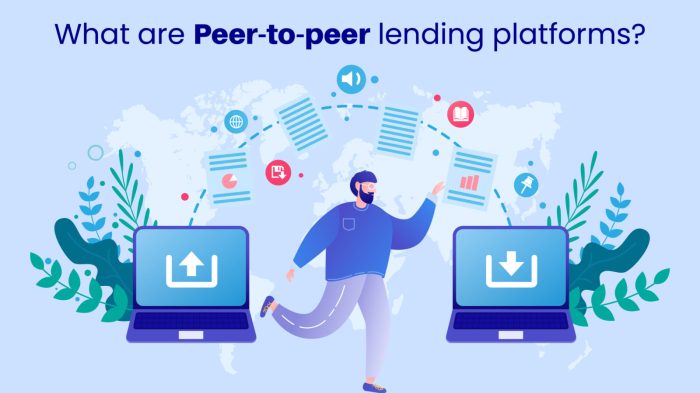
Peer-to-peer lending platforms have transformed the way individuals and businesses access financing, creating a direct connection between borrowers and lenders without the traditional banking middlemen. This innovative approach not only streamlines the borrowing process but also opens up new opportunities for investment, making personal finance more accessible than ever.
As these platforms gain traction, understanding their benefits and risks becomes essential. While they offer attractive returns for investors and lower rates for borrowers, users must also navigate potential pitfalls, including defaults and regulatory challenges. This evolution in finance invites a deeper look into how peer-to-peer lending compares with conventional banking and its broader implications on personal finance management.
Overview of Peer-to-Peer Lending Platforms

Peer-to-peer (P2P) lending platforms have emerged as a revolutionary way to connect borrowers directly with lenders, bypassing traditional financial institutions. This innovative approach to lending is reshaping the landscape of modern finance, allowing individuals to lend and borrow money in a more streamlined and accessible manner.P2P lending platforms operate by facilitating transactions between individuals, typically through an online platform. Borrowers can apply for loans, and lenders can choose which loans to fund based on their risk appetite and potential returns.
The role of these platforms is not only to provide a marketplace for loans but also to evaluate creditworthiness, set interest rates, and manage the repayment process. This model introduces various benefits and risks for both parties involved.
Benefits and Risks for Borrowers and Lenders
Engaging with P2P lending platforms presents various advantages and disadvantages for both borrowers and lenders. Understanding these factors is crucial for making informed decisions.For Borrowers:
Lower Interest Rates
Many borrowers find that P2P platforms offer more competitive interest rates compared to traditional banks, making loans more affordable.
Flexible Loan Amounts
Borrowers can often request various amounts based on their needs, allowing for flexibility in managing finances.
Accessibility
Those with less-than-perfect credit scores may find it easier to secure a loan through P2P lending platforms than through conventional banking channels.For Lenders:
Higher Returns
Lenders can earn higher interest rates compared to traditional savings accounts or bonds, making P2P lending an attractive investment opportunity.
Diversification of Portfolio
P2P lending enables lenders to diversify their investments across different borrowers, potentially reducing risk.
Social Impact
Many lenders appreciate the opportunity to help individuals or small businesses achieve their financial goals.However, there are inherent risks that both borrowers and lenders should consider:
Default Risk
Borrowers may default on their loans, leading to potential losses for lenders. The risk varies based on borrower creditworthiness.
Market Risk
Economic downturns can affect borrowers’ ability to repay, which may increase default rates across the board.
Regulatory Risks
P2P lending operates in a rapidly changing regulatory landscape, which may impact how platforms function or the protections available to both parties.
Comparison to Traditional Banking Services
Peer-to-peer lending platforms differ significantly from traditional banking services in terms of structure, accessibility, and user experience. Recognizing these differences can help individuals choose the best option for their financial needs.
Decentralization
Unlike traditional banks, which act as intermediaries in the lending process, P2P platforms allow direct transactions between consumers. This can lead to lower costs and faster approval times.
Speed of Transactions
P2P platforms typically offer quicker loan processing times, often providing funds within days compared to the weeks or months it may take with banks.
User Experience
The online nature of P2P lending makes it more user-friendly, with many platforms offering intuitive interfaces and easy access to information.
Regulatory Oversight
Traditional banks are heavily regulated and insured, while P2P platforms may have less stringent oversight, potentially exposing users to higher risks.Understanding these differences can help borrowers and lenders navigate their options more effectively, ensuring they select the most suitable financial services for their circumstances.
Financial Services and Peer-to-Peer Lending
Peer-to-peer lending platforms have emerged as a significant component of the financial services industry, reshaping the way individuals and small businesses access loans. By bypassing traditional banking systems, these platforms connect borrowers directly with investors, creating a more efficient and often more accessible lending environment. This structural shift not only enhances financial inclusion but also introduces new opportunities and challenges within the financial services sector.Peer-to-peer lending platforms operate at the intersection of fintech and traditional financial services, pushing the boundaries of conventional lending practices.
They utilize technology to streamline the loan application and approval process, reducing operational costs and time. This technological integration allows these platforms to attract a diverse range of investors looking for lucrative returns while providing borrowers with potentially lower interest rates compared to traditional banks. The impact of this model extends beyond mere financial transactions; it influences the entire financial ecosystem, compelling traditional institutions to innovate and adapt.
Accounting and Auditing Practices in Peer-to-Peer Lending
The accounting and auditing practices specific to peer-to-peer lending are essential for ensuring transparency and trust in these platforms. Given the unique nature of these transactions, where lenders and borrowers interact directly, accounting for transactions must be meticulously managed to maintain accurate financial reporting.One key aspect is the recognition of interest income and loan impairment. Peer-to-peer platforms typically recognize interest income based on the effective interest rate method, which considers the time value of money and the credit risk associated with each loan.
Furthermore, managing loan impairment involves estimating future cash flows and assessing the likelihood of defaults, which are critical for providing a true picture of financial health.
“Accurate accounting practices in peer-to-peer lending help protect investors and foster a culture of accountability.”
Auditing practices in this sector are also vital. Independent audits ensure compliance with financial regulations and enhance investor confidence. Auditors must understand the specific risks and operational models of peer-to-peer lending to assess the quality of financial statements effectively. This scrutiny helps safeguard against fraud and misrepresentation, promoting a trustworthy environment for all parties involved.
Impact on Personal Finance Management and Financial Planning
Peer-to-peer lending significantly influences personal finance management and financial planning by offering alternative financing options that can enhance individual financial strategies. For borrowers, these platforms provide access to funds that may not be available through conventional channels, enabling them to manage expenses, consolidate debts, or invest in opportunities that align with their financial goals.For lenders, participating in peer-to-peer lending can serve as an avenue for diversifying their investment portfolios.
By lending to multiple borrowers, individuals can mitigate risks while potentially achieving higher returns compared to traditional savings accounts or bonds. This diversification is crucial for effective financial planning, as it allows individuals to spread their risk across a broader spectrum of investments.
“Peer-to-peer lending is not just a transaction; it’s a tool for financial empowerment and strategic planning.”
Moreover, the transparency provided by these platforms regarding interest rates and borrower profiles enables individuals to make informed decisions. Access to detailed data helps both lenders and borrowers assess their financial situations accurately, facilitating better financial management practices. For instance, borrowers can compare different loan options effectively, while lenders can evaluate risk based on borrowers’ creditworthiness and repayment histories. This democratization of financial data is revolutionizing how individuals approach their financial futures.
Investing in Peer-to-Peer Lending
Investing in peer-to-peer (P2P) lending can be an exciting opportunity for individuals looking to diversify their portfolios and earn attractive returns. As an investor in P2P lending, understanding how to evaluate platforms and opportunities is crucial to making informed decisions. This guide will help potential investors navigate the landscape of P2P lending and identify key metrics to consider.
Evaluating Peer-to-Peer Lending Opportunities
When assessing P2P lending platforms, it’s essential to consider various metrics that indicate the platform’s reliability and potential for returns. Key indicators include:
- Default Rates: Understanding the historical default rates of loans on a platform is critical. Lower default rates typically indicate better risk management and credit assessment processes.
- Net Annualized Return: This metric reflects the average annual return an investor can expect after accounting for defaults and fees. Platforms that provide transparent calculations of this return are preferable.
- Loan Grades: Many platforms assign grades to loans based on borrower risk profiles. Higher-grade loans generally offer lower returns but come with reduced risk, while lower-grade loans offer higher potential returns at increased risk.
- Platform Fees: Understanding the fee structure is vital. Some platforms charge origination fees, servicing fees, or withdrawal fees, which can impact overall returns.
Investors should also consider the platform’s track record, customer reviews, and the regulatory environment it operates within. Transparency in operations usually correlates with a lower investment risk.
Diversifying Investment Portfolios with Peer-to-Peer Lending
Diversification is a key strategy in investment to mitigate risks. Incorporating P2P lending into an investment portfolio can provide a unique avenue for achieving this. Here are several strategies for effective diversification within P2P lending:
- Invest Across Multiple Platforms: Spreading investments across various P2P platforms can reduce the risk associated with any single platform’s performance.
- Vary Loan Types: Investing in different types of loans (personal, business, real estate) allows investors to balance risk and return. Each type of loan may react differently to market changes.
- Utilize Automated Investing Tools: Many platforms offer automated investing options, which can help investors diversify across numerous loans based on specified criteria without requiring continuous management.
- Consider Geographic Diversity: Investing in loans from various geographic regions can protect against local economic downturns, as different areas may experience growth or stagnation independently.
By applying these strategies, investors can create a robust portfolio that benefits from the unique advantages of P2P lending while managing associated risks effectively.
“Diversification is the only free lunch in investing.”
This principle emphasizes the importance of spreading investments to mitigate risk, particularly in the dynamic world of peer-to-peer lending.
Last Point
In summary, peer-to-peer lending platforms are reshaping the financial landscape, providing both borrowers and investors with unique opportunities. By embracing this model, individuals can engage in a more personalized financial experience, but it is crucial to remain informed about the associated risks and best practices. As the industry continues to evolve, staying updated on these developments will empower users to make smarter financial decisions.
Questions and Answers
What is peer-to-peer lending?
Peer-to-peer lending is a method of borrowing and lending money without traditional financial institutions, allowing individuals to lend directly to borrowers through online platforms.
How do I choose a peer-to-peer lending platform?
Look for platforms with strong reputations, good customer reviews, transparency in fees, and robust security measures to protect your personal information.
What are the risks involved in peer-to-peer lending?
The primary risks include borrower defaults, platform insolvency, and potential regulatory changes that could impact operations.
Can I lose money with peer-to-peer lending?
Yes, there is a risk of losing your investment if borrowers default or if the platform fails to maintain its operations.
Is peer-to-peer lending regulated?
Regulations vary by country, but many jurisdictions have begun implementing rules to oversee and protect both borrowers and lenders within the peer-to-peer lending space.